
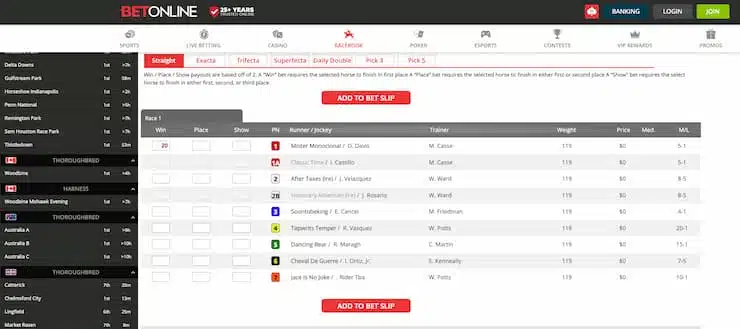
Horse racing has long captivated audiences around the globe, not just as a thrilling sport but also as a lucrative betting avenue. Understanding the intricacies of horse racing betting is essential for both novice and seasoned bettors. One particular term that often surfaces in betting discussions is ‘Not On.’ This article will delve into what ‘Not On’ means in the context of horse racing betting and how it plays a role in the broader spectrum of wagering strategies. For further insights, Horse Racing Betting Not on GamStop visit site to enhance your knowledge.
Horse Racing: A Brief Overview
Horse racing is an exhilarating sport that combines strategy, athleticism, and the thrill of competition. Whether it’s flat racing or jump racing, each event presents unique challenges and opportunities for bettors. With its roots stretching back to ancient civilizations, horse racing has evolved into one of the most popular forms of gambling worldwide. Bettors often engage with various types of wagers, including win, place, show, and exotic bets, each requiring different strategies and insights.
Understanding Betting Terminology
Before diving into the concept of ‘Not On,’ it’s essential to familiarize oneself with basic betting terms. Bettors need to understand odds, bet types, and how races are structured. Awareness of the following key terms can enhance a bettor’s experience:

- Odds: The ratio of the payout to the stake, representing the bookmaker’s assessment of a horse’s chance of winning.
- Win Bet: A bet placed on a horse to finish first.
- Place Bet: A bet placed on a horse to finish either first or second, depending on the race’s rules.
- Exotic Bets: More complex types of bets, such as exactas, trifectas, and superfectas, involving multiple horses and finishing positions.
The ‘Not On’ Concept Explained
In the realm of horse racing betting, the term ‘Not On’ typically refers to situations where betting on a specific horse is discouraged or deemed inadvisable. This could be due to various factors, including the horse’s recent performance, changes in conditions, or insights gleaned from expert analysis. For instance, if a horse has been consistently underperforming or has not raced well under certain track conditions, informed bettors might label that horse as ‘Not On.’
Recognizing when a horse is ‘Not On’ can be just as crucial as identifying potential winners. Bettors who ignore these warnings may find themselves facing substantial losses. Therefore, it’s crucial to conduct thorough research and pay attention to expert opinions and analytics before placing any wager.
Evaluating Horse Performance
One of the most significant factors affecting whether a horse is considered ‘Not On’ is its recent performance metrics. A horse’s form should always be a primary consideration. Factors to evaluate include:
- Recent Races: How a horse performed in its last few races, including finishing positions and any notable incidents.
- Track Conditions: The type of surface—dirt, turf, or synthetic—and its condition can drastically affect a horse’s performance.
- Jockey Stats: The skill and history of the jockey riding the horse can influence its chances of success.
Informed Betting Strategies
Understanding the nuances of ‘Not On’ can lead to the development of informed betting strategies. Consider the following approaches to mitigate risk:
- Do Your Research: Stay updated with racing insights, statistics, and expert analyses. Resources like racing form guides and betting forums can prove invaluable.
- Observe Trends: Look for patterns in a horse’s performance that may signal a downturn. Engage with various sources to gauge public and expert sentiment regarding specific horses.
- Manage Your Bankroll: Set clear limits for your betting activities. Never wager more than you can afford to lose, and recognize the risks associated with betting on horses labeled as ‘Not On.’
The Role of Betting Markets
Betting markets can heavily influence the perception of a horse’s viability within a race. Factors such as public sentiment, media coverage, and betting trends can shift the odds, changing a horse’s status within the market. Those classified as ‘Not On’ may see their odds lengthen as informed bettors steer clear of them. The dynamic nature of these markets means that understanding the psychology of betting can be just as critical as evaluating the horses.
Conclusion
To summarize, understanding the concept of ‘Not On’ in horse racing betting is paramount for any bettor looking to navigate this exhilarating yet complex sport successfully. By recognizing when to steer clear of certain horses and employing informed strategies, bettors can enhance their overall experience. In the world of horse racing, information is power; thus, continuous research, trend observation, and an understanding of market dynamics can lead to more fruitful betting outcomes. Whether you’re a beginner placing your first bets or a seasoned bettor refining your strategies, always remember to stay informed and bet wisely.
Further Resources
If you’re eager to expand your knowledge further, consider exploring specific horse racing publications, online forums, and websites dedicated to the thoroughbred industry. Engaging with knowledgeable communities can provide you with the edge needed to navigate the exciting world of horse racing betting successfully.